The Science of Post-Meal Fatigue: Why You Feel Tired and How to Fix It
Introduction: The “Food Coma” Phenomenon
We have all experienced it: that heavy, sinking feeling right after a meal. You sit down to eat, and within thirty minutes, your eyelids grow heavy, your brain feels foggy, and your motivation evaporates. In pop culture, we call it the “food coma.” In the medical community, it is known as postprandial somnolence.
While many dismiss this as a normal side effect of eating, the reality is that your body is sending you a critical metabolic signal. It is telling you that your energy management system is struggling to process the fuel you’ve just provided. At The Vital Science, we believe that understanding the why is the first step toward reclaiming your energy and vitality.
The Biological Mechanism: What Really Happens When You Eat?
To understand why fatigue hits after a meal, we must look at the interplay between glucose, insulin, and cellular energy production.
The Insulin Rollercoaster
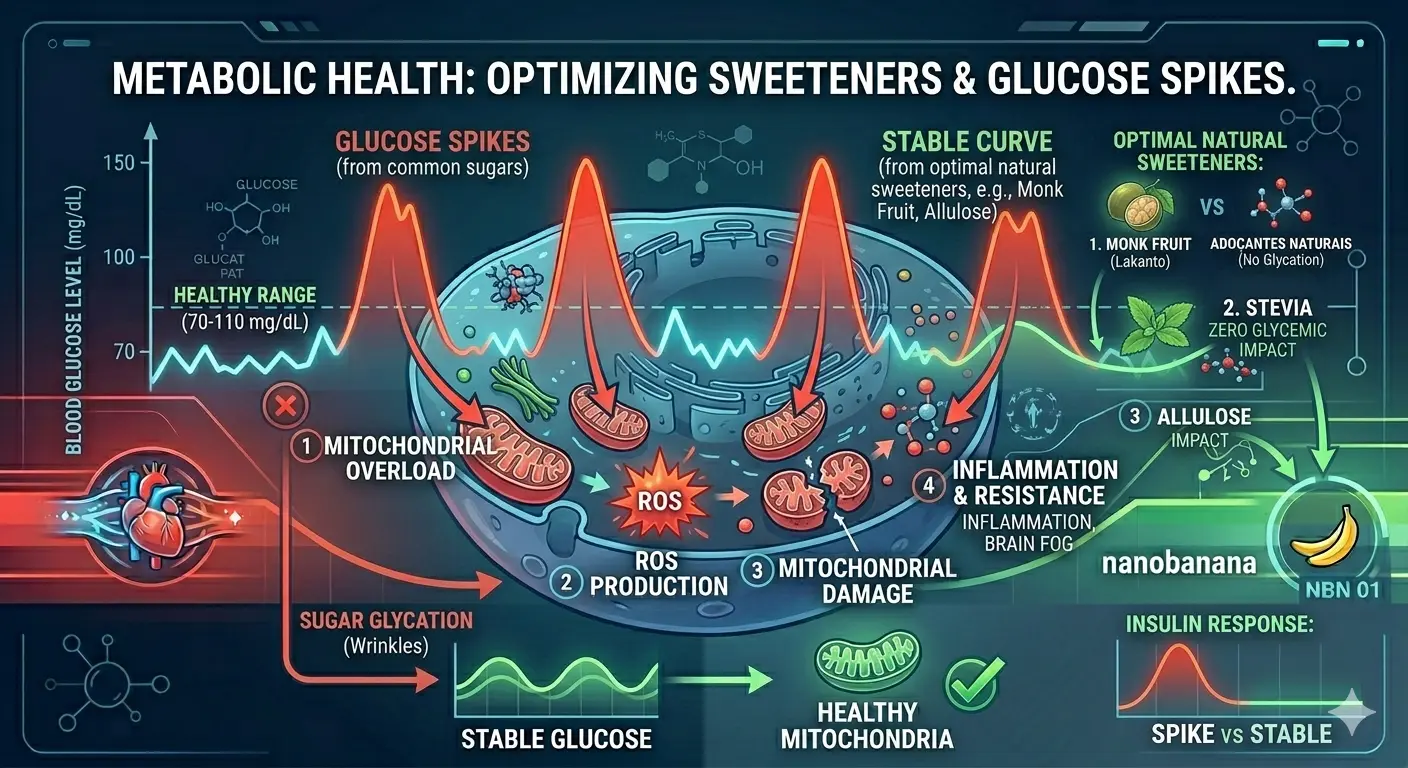
When you consume carbohydrates, your digestive system breaks them down into glucose. This glucose enters your bloodstream, triggering your pancreas to release insulin. Insulin acts like a key, unlocking your cells so they can absorb the glucose for immediate energy or store it for later.
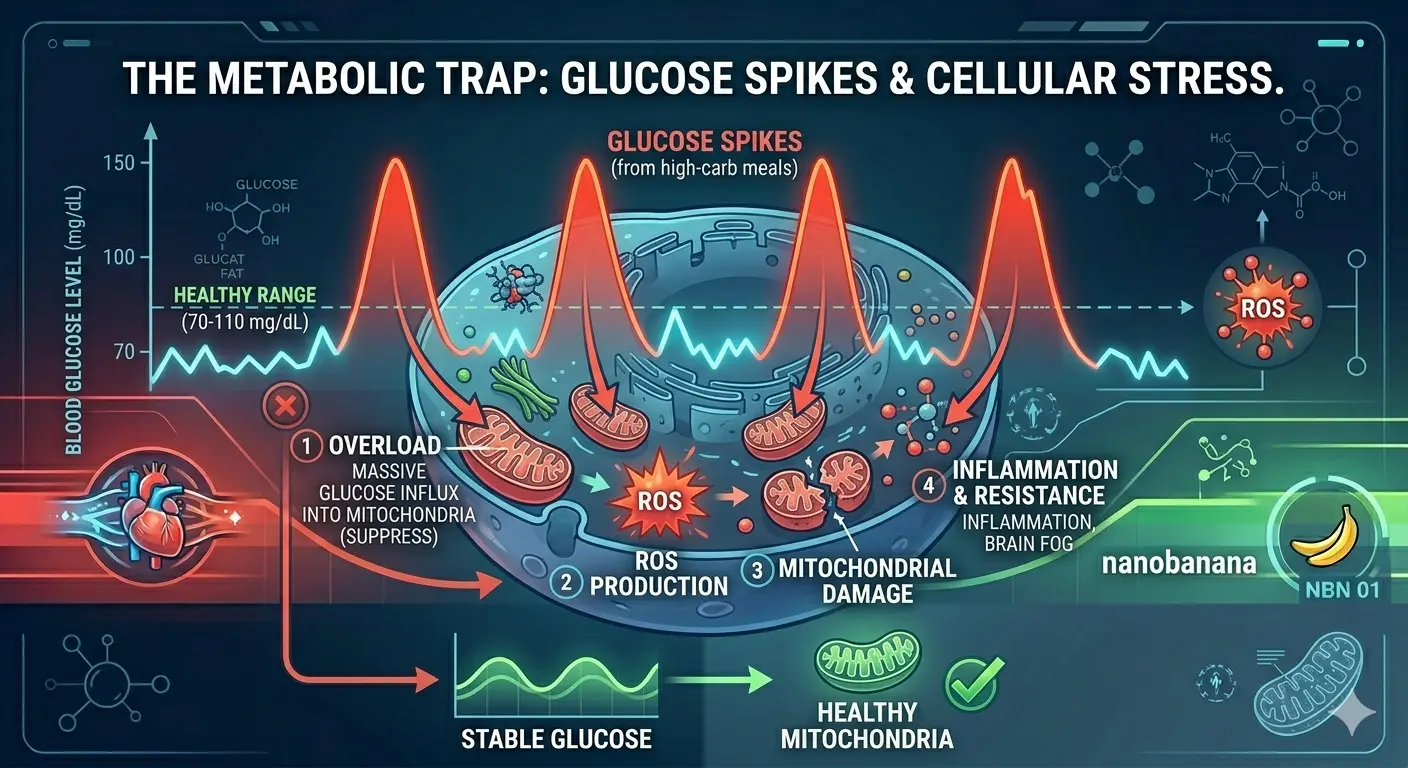
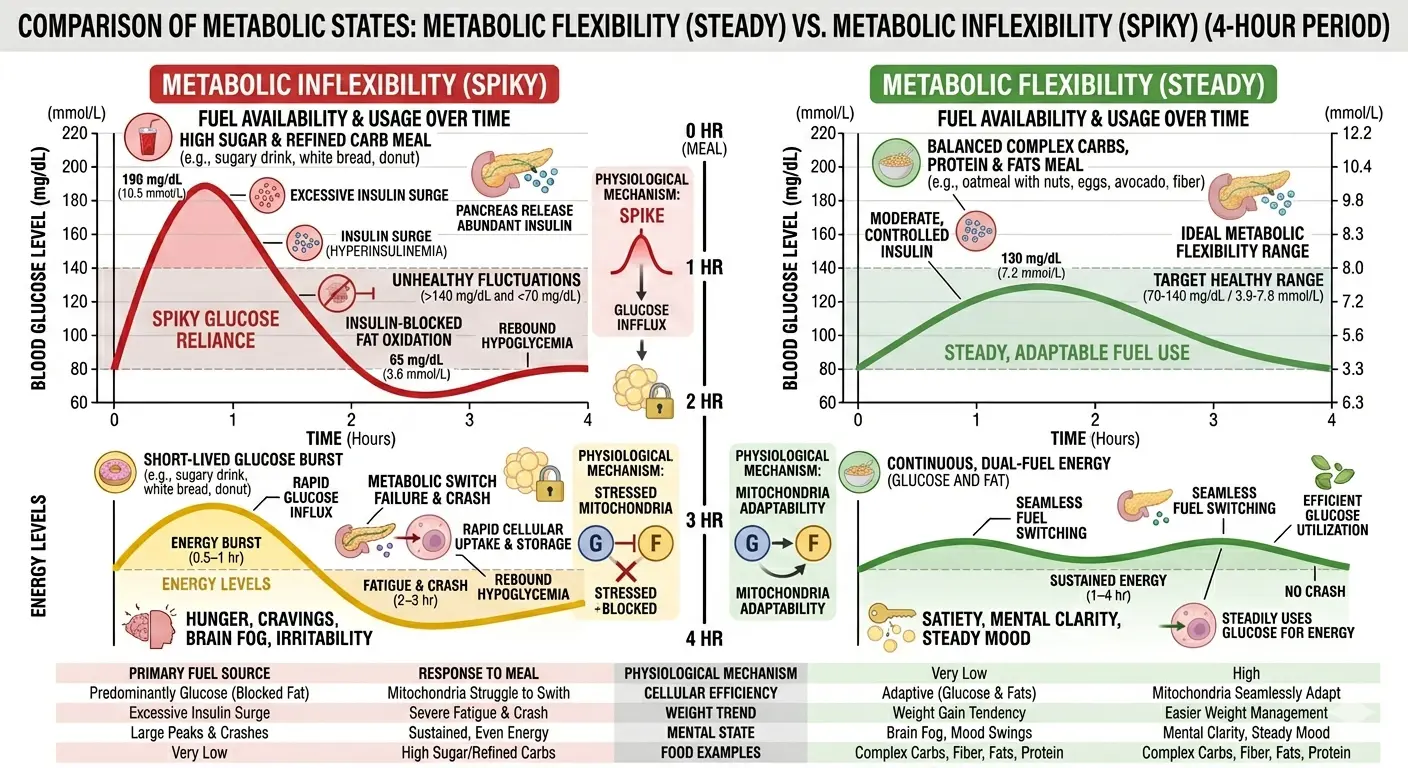
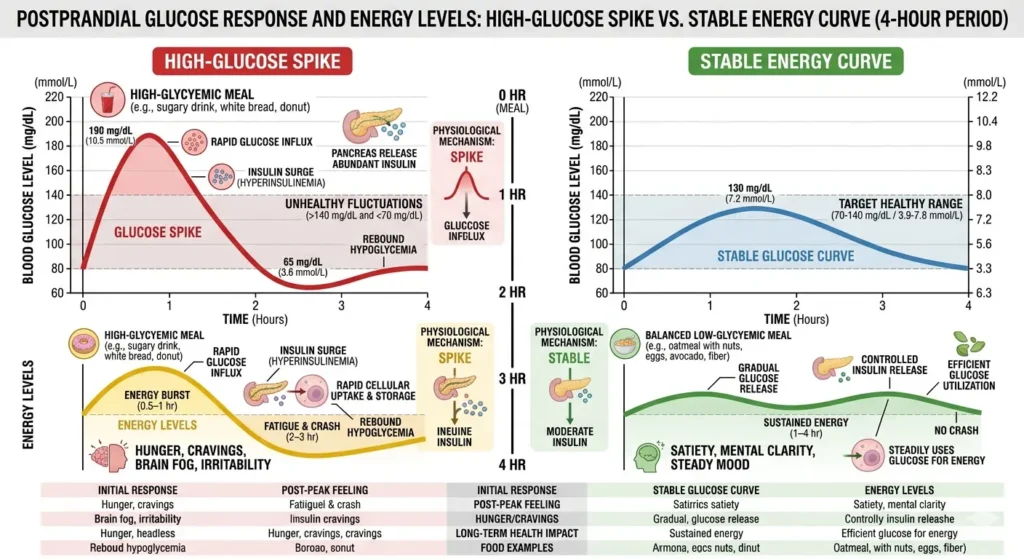
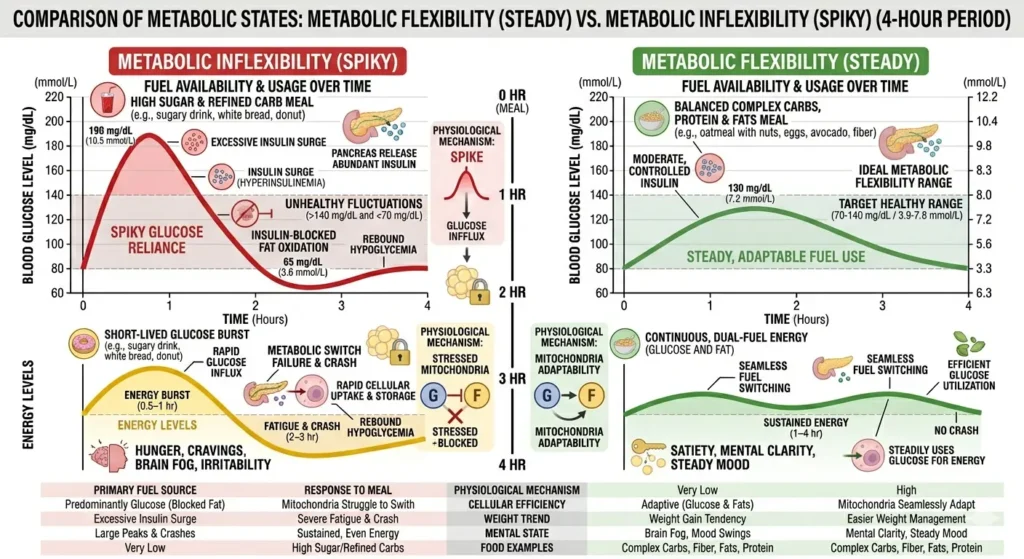
However, in many modern diets, we consume “fast” carbohydrates—sugars, refined grains, and processed starches—that hit the bloodstream all at once. This creates a massive, rapid spike in blood sugar. Your body reacts with an overproduction of insulin to counteract this spike. This is the physiological “rollercoaster”: the rapid rise and subsequent sharp fall that leaves you feeling exhausted.
The Crash and Inflammation
Once that insulin spike drives your blood sugar down, it often drives it too low—a state known as reactive hypoglycemia. This sudden drop is the primary cause of your post-meal fatigue. Furthermore, chronic exposure to these spikes leads to systemic inflammation. This low-grade inflammation is interpreted by the brain as stress, further contributing to that “foggy” feeling and afternoon burnout.

Metabolic Flexibility: The Secret to Infinite Energy
The holy grail of metabolic health is metabolic flexibility. This is your body’s ability to efficiently switch between burning glucose and burning stored body fat. If you are metabolically flexible, your energy levels stay steady throughout the day, regardless of when you last ate.
When you are not metabolically flexible, you are trapped in a cycle of needing external glucose to survive. If you have to reach for a snack every three hours just to maintain focus, your metabolic engine is malfunctioning.
The Key to Metabolic Stability: Balancing Your Energy
For years, people have tried to fix fatigue with more caffeine or more sugar. But that is akin to pouring gasoline on a fire to put it out. True metabolic stability requires balancing your blood sugar levels so that your body isn’t constantly struggling to maintain homeostasis.
When your blood sugar is balanced, your energy doesn’t dip after a meal. You feel alert, clear-headed, and ready to tackle your afternoon tasks. This is where modern scientific approaches—such as the ingredients found in Sugar Defender—come into play.
Introducing the Energy Stability Concept
If we want to support our daily energy levels, we need to ensure our internal “energy thermostat” is functioning correctly. Unlike traditional supplements that rely on harsh stimulants to force you awake, a holistic support system focuses on helping your body maintain steady, natural energy levels throughout the day.
Why Sugar Defender Stands Out in the Scientific Community
At The Vital Science, we are skeptical of “miracle cures.” We prioritize products that utilize a science-backed blend of natural ingredients. Sugar Defender caught our attention because of its comprehensive approach to supporting healthy blood sugar levels and providing sustained energy.
The Power of Natural Metabolic Support
Sugar Defender combines a precise blend of natural ingredients designed to support insulin sensitivity and metabolic function. By helping the body maintain its natural balance, it reduces the burden on your internal systems, allowing you to enjoy your meals without the subsequent “crash.”
Addressing the Root, Not the Symptom
Most fatigue solutions are simple stimulants—caffeine, sugar, or synthetic energy boosters. These are just band-aids. Sugar Defender approaches the issue by supporting the underlying metabolic processes that allow your body to manage energy on its own, rather than forcing it with external stimulants.

The 5-Step Protocol to Reclaim Your Energy
You cannot supplement your way out of a poor lifestyle. To truly fix post-meal fatigue, you must combine metabolic support with actionable, daily habits.
- Prioritize Protein and Fiber: Start every meal with fiber (leafy greens) and high-quality protein. This creates a “buffer” in your stomach, slowing down the absorption of carbohydrates.
- The 10-Minute Walk Rule: The most effective way to blunt an insulin spike is immediate, low-intensity movement. A ten-minute walk after lunch stimulates the GLUT4 receptors in your muscles, allowing them to soak up glucose without needing excessive insulin.
- Hydration and Electrolytes: Fatigue is often mistaken for hunger, but it is frequently dehydration. Ensure you are getting adequate electrolytes—magnesium, potassium, and sodium—to support cellular function.
- Strategic Supplementation: This is where Sugar Defender fits into your stack. By taking it consistently, you are providing your body with the nutritional support it needs to stay energized and focused throughout the day.
- Monitor Your Data: Don’t guess—measure. If you are serious about fixing your fatigue, consider using a Continuous Glucose Monitor (CGM) for two weeks. Seeing the data in real-time will change your relationship with food forever.
Frequently Asked Questions (FAQ)
Q: Is post-meal fatigue a sign of Diabetes?
A: It can be a warning sign of pre-diabetes or insulin resistance. If you experience this daily, it is crucial to consult with a medical professional and get a HbA1c test.
Q: Can Sugar Defender replace my medication?
A: Absolutely not. Sugar Defender is a dietary supplement designed for metabolic and energy support, not a pharmaceutical treatment for chronic disease. Always consult your doctor before changing any medical protocol.
Q: How long does it take to see results?
A: Metabolic health is a marathon, not a sprint. Most users report feeling better within 3 to 4 weeks of consistent use and lifestyle adjustments.
Conclusion: Taking Control of Your Metabolic Future
Post-meal fatigue is not a life sentence. It is a biological prompt. By understanding the science of insulin, supporting your metabolic health with targeted solutions like Sugar Defender, and adjusting your daily habits, you can transition from an “energy crash” lifestyle to one of sustained vitality.
Remember, your body is an engineering marvel. It is designed to be efficient, energetic, and resilient. If it is struggling, it is simply asking for the right input.
Ready to start your journey toward constant energy?