Glucose Spikes: The Hidden Driver of Inflammation and Accelerated Aging
Introduction: The Rollercoaster in Your Bloodstream
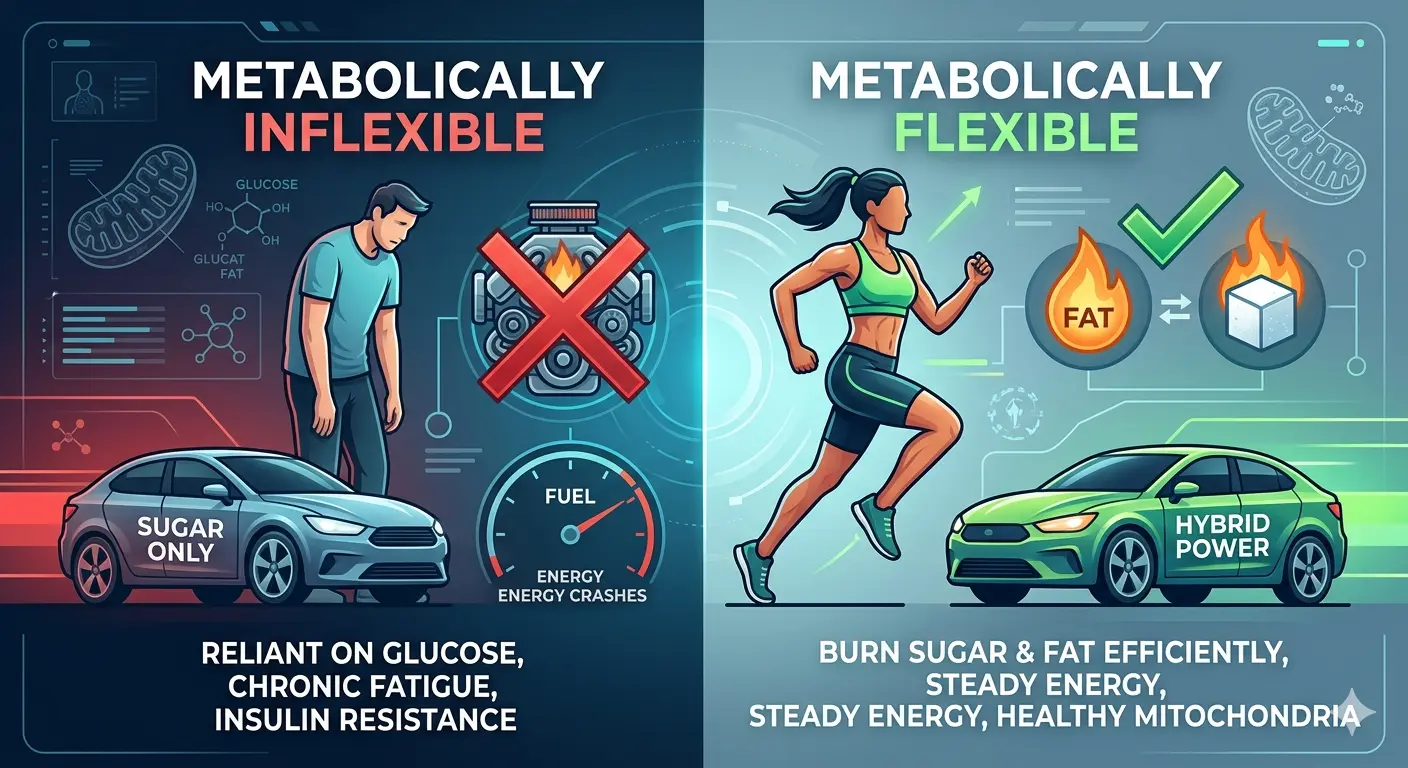
We’ve all experienced it: that sudden surge of energy after a sugary snack, followed by an inevitable crash that leaves us tired, hungry, and reaching for more caffeine. In the scientific community, these are known as Glucose Spikes.
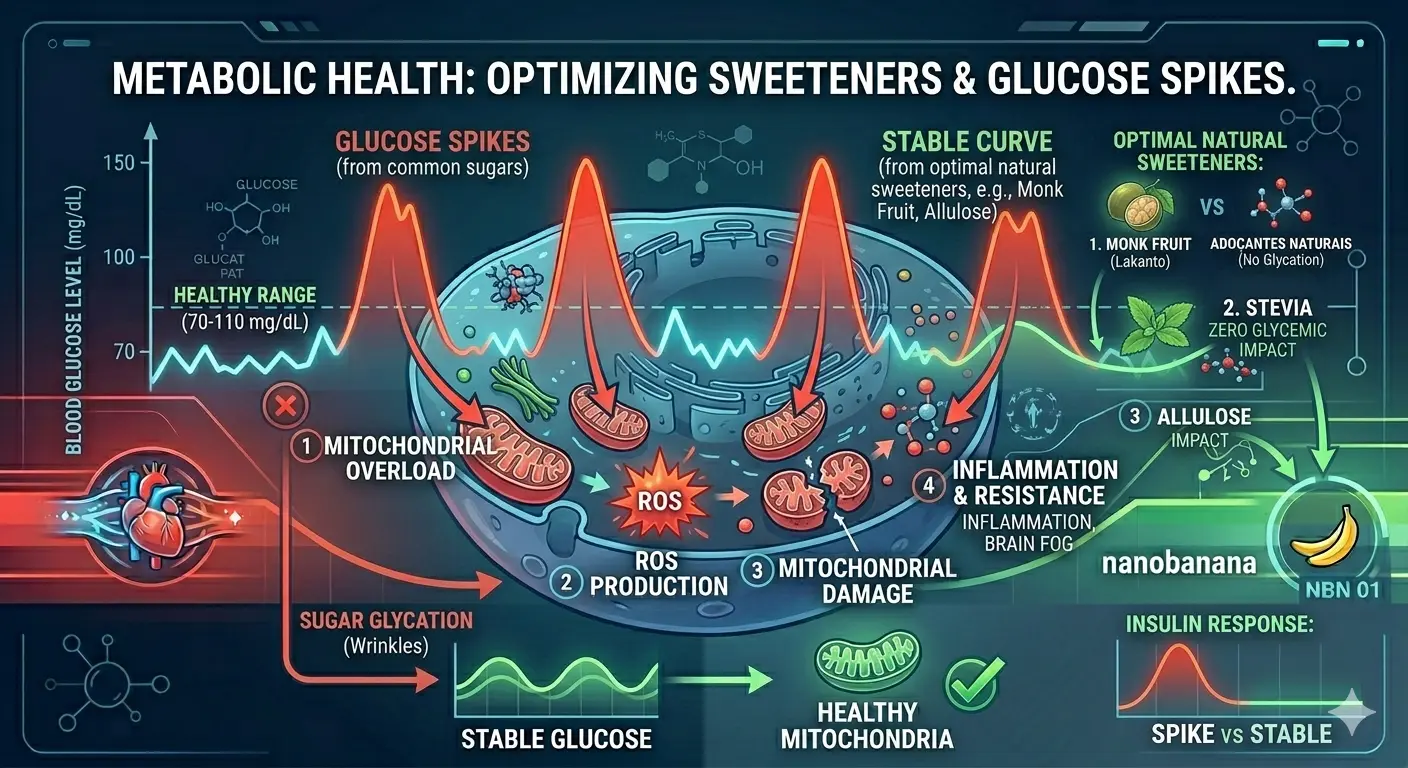
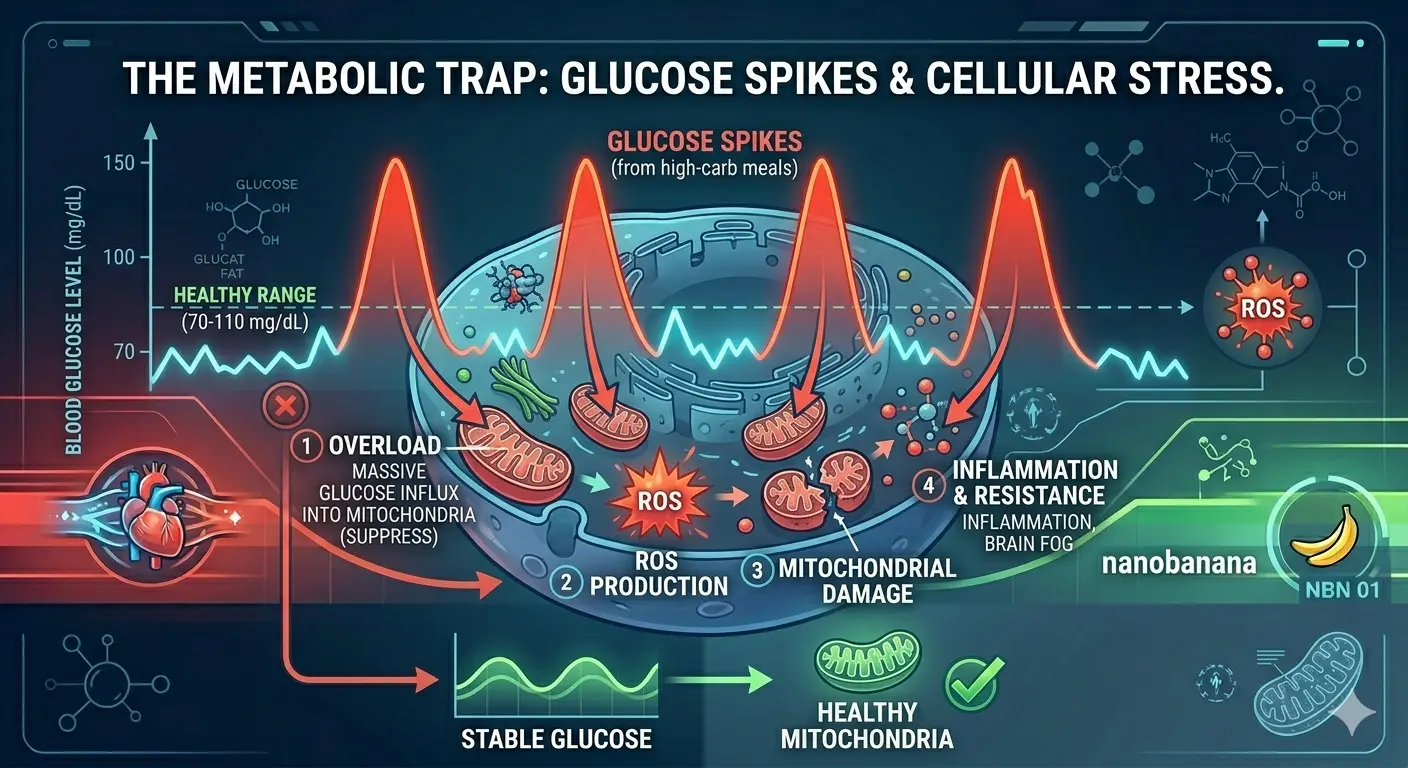
While blood sugar naturally rises after eating, frequent and extreme spikes are far from harmless. They are the primary drivers of oxidative stress, systemic inflammation, and the long-term metabolic damage that accelerates biological aging. In this guide, we will explore the “Glucose-Insulin Trap” and how to stabilize your levels for consistent energy and longevity.
The Biology of a Spike: Why It Damages Your Cells
When you consume high-glycemic carbohydrates (like white bread, pasta, or sugary drinks), glucose enters your bloodstream at a rate faster than your cells can process it. This leads to three damaging processes:
- Glycation: Glucose molecules “stick” to proteins and fats, creating Advanced Glycation End-products (AGEs). These AGEs literally “caramelize” your tissues, making collagen stiff (causing wrinkles) and damaging blood vessels.
- Mitochondrial Overload: Your mitochondria (the energy factories) get overwhelmed by the sudden influx of fuel. To protect themselves, they release Reactive Oxygen Species (ROS)—unstable molecules that damage DNA and cause cellular inflammation.
- Insulin Resistance: To clear the sugar, your pancreas pumps out massive amounts of insulin. Frequent spikes lead to “insulin numbness,” the precursor to Type 2 Diabetes and weight gain.
How to Flatten the Glucose Curve (Without Giving Up Carbs)
The good news is that you don’t have to eliminate carbohydrates to protect your metabolism. Science shows that the order and context of your meals matter significantly.
- The Power of Fiber: Eating a green salad or fiber-rich vegetables before your starch can reduce the glucose spike by up to 30%.
- The “Vinegar Trick”: Consuming a tablespoon of apple cider vinegar in water before a meal can improve insulin sensitivity and flatten the post-meal curve.
- Post-Meal Movement: A 10-minute walk after eating “sponges up” excess glucose into your muscles without requiring a massive insulin surge.
Scientific References (E-E-A-T)
Stabilizing glucose is now recognized as a primary intervention for extending healthspan and preventing chronic disease.
- Diabetes Care: Long-term studies indicate that glycemic variability (the size of your spikes) is a stronger predictor of cardiovascular complications than average blood sugar levels (A1c) (Ceriello, A., et al., 2019).
- Nature Medicine: Research identifies systemic chronic inflammation, often triggered by metabolic dysfunction, as a major cause of age-related disabilities (Furman, D., et al., 2019).
References:
- Ceriello, A., et al. (2019). Glycemic Variability and Cardiovascular Disease: The Evidence. Diabetes Care. [Link: https://pubmed.ncbi.nlm.nih.gov/30523025/]
- Furman, D., et al. (2019). Chronic inflammation in the etiology of disease across the life span. Nature Medicine. [Link: https://pubmed.ncbi.nlm.nih.gov/31806905/]